How is the AfCFTA reshaping African market entry and industrial investment in 2026?
1. The Afreximbank-South Africa Synergy
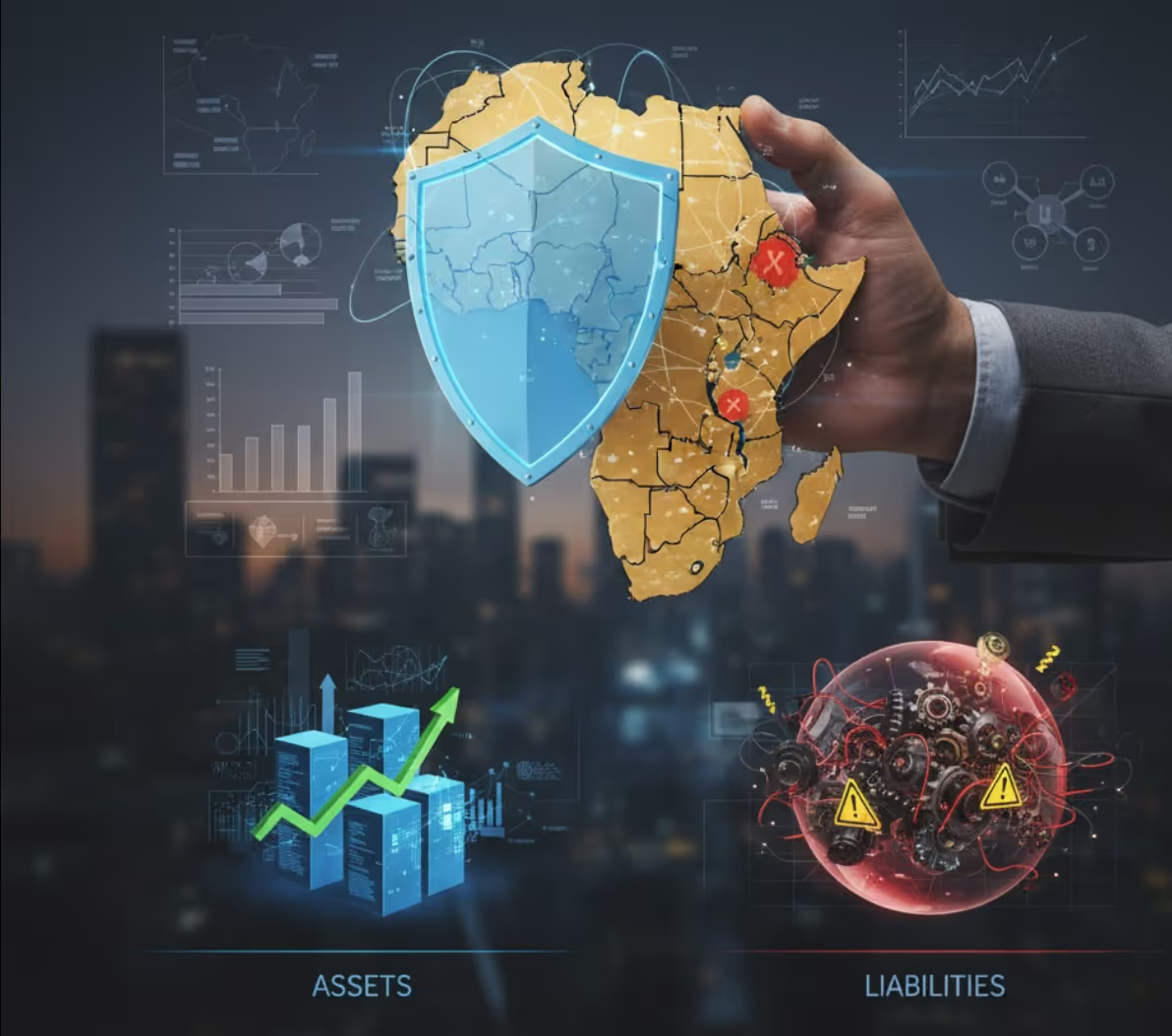
South Africa's decision to join Afreximbank as its 54th member state is a "black swan" event for 2026. By unlocking $8 billion, the bank is providing the liquidity needed for South African firms to bid on major AfCFTA projects without the FX risk associated with USD-denominated loans. For Fractional CFOs, the mandate is now to align corporate balance sheets with these new regional trade facilities.
2. Infrastructure as the "Success Backbone"
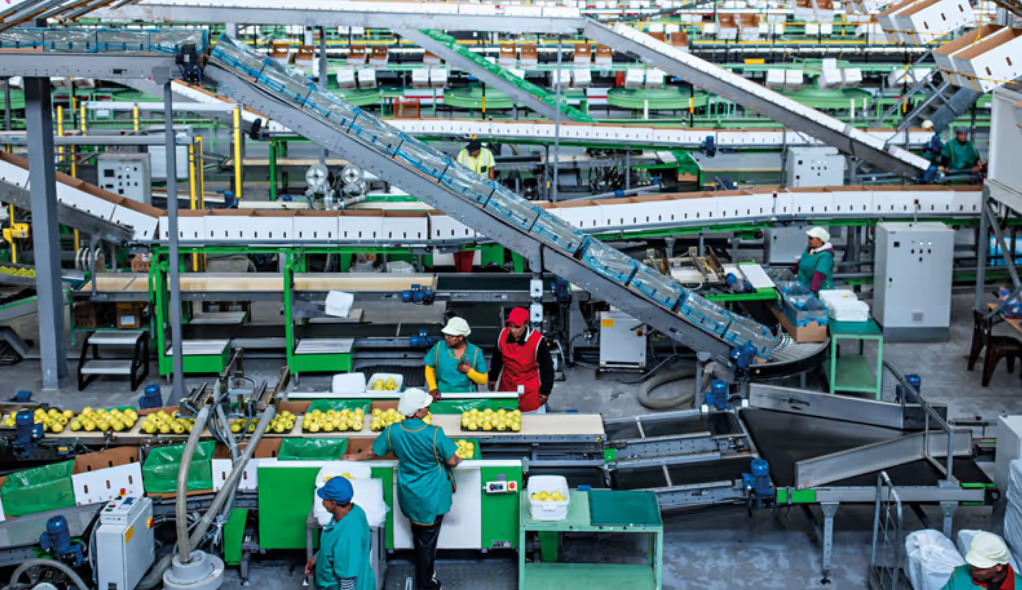
Infrastructure Africa 2026 has confirmed that the "missing link" for AfCFTA isn't tariffs, but logistics costs. While tariffs have fallen, trade costs remain 50% higher than in other regions due to fragmented regulation. The new 2026 trend is "Corridor Governance," where private sector partners manage rail and port systems to ensure "Regulatory Speed".
3. The "Fractional Advantage" in Market Entry
As markets in Ghana and Zambia align their visa and trade rules, the need for Fractional Market Entry Experts has surged. These experts provide "C-Suite accountability" for international firms wanting to test these new corridors without the $250k+ overhead of a full-time regional director. They are the "bridging entities" who manage local content compliance and digital trade digitalization.
4. Consumer Trends: The Digital Leap
By mid-February 2026, Digital Commerce has become the primary growth driver for African retail. Platforms like Jumia and Takealot are no longer just "Amazon clones" but have become integrated logistics engines. Brands that win in 2026 are those that treat "Trust and Responsibility" as core strategies, moving away from repetitive advertising toward immersive, digital-first storytelling.
Next Step: I have updated your CMS with this full week's synthesis. Would you like me to prepare a "Fractional COO Guide" for setting up a cross-border logistics hub between Ghana and Zambia based on this week's presidential accord?
More Insights